Sustainable Energy from Real Foods
Published: January 2026
Understanding Food Energy and Wellbeing
Foods provide not just calories but multiple nutrients and compounds that support bodily function. Sustainable energy comes from diverse, minimally processed foods that provide macronutrients (carbohydrates, proteins, fats) and micronutrients (vitamins, minerals) the body requires.
Sustainable energy patterns differ from short-term energy spikes. Understanding how different foods affect energy over time, energy stability, and overall wellbeing provides practical perspective on nutrition.
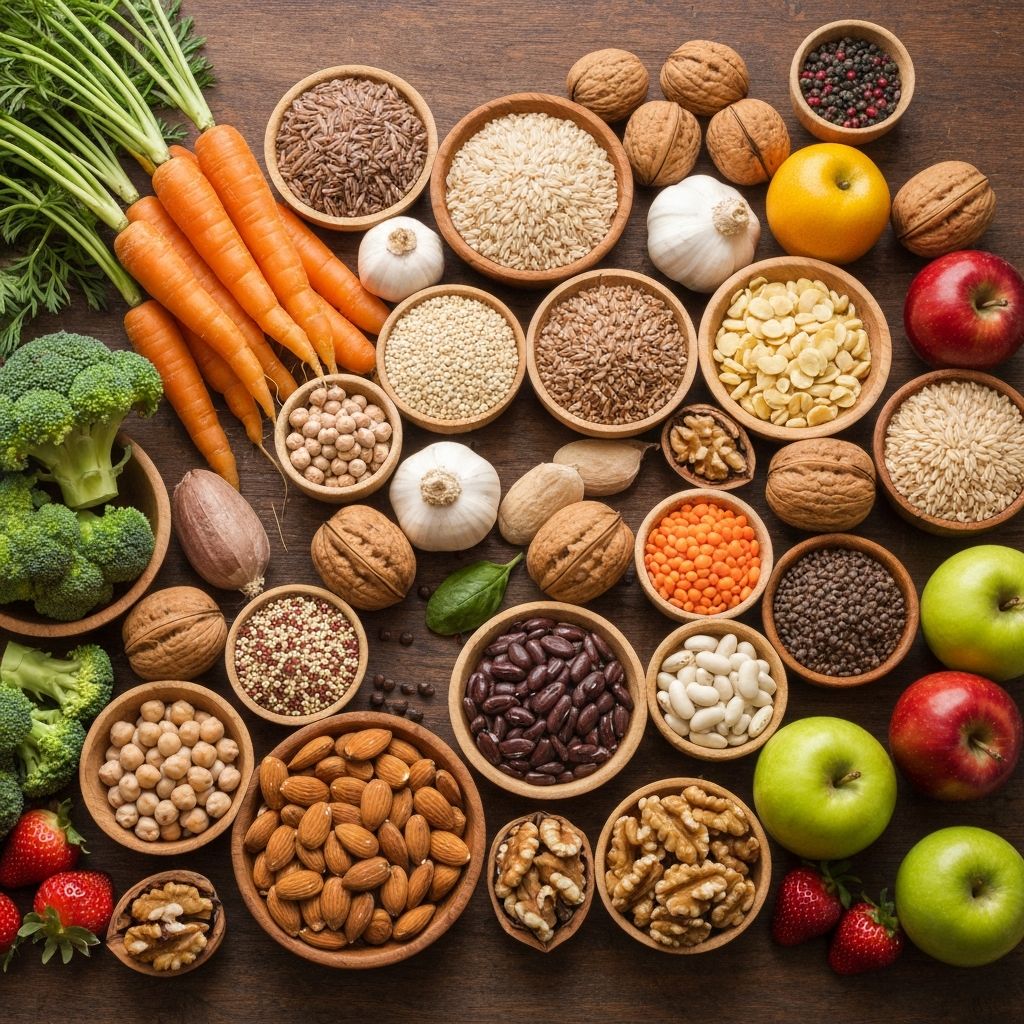
Macronutrients and Energy
Carbohydrates, proteins, and fats all provide energy (measured in calories), but they differ in how quickly they deliver energy and how stable that energy remains.
- Carbohydrates: Primary fuel source for the brain and muscles; simple carbohydrates provide quick energy while complex carbohydrates (whole grains, legumes) provide more sustained energy
- Protein: Supports muscle maintenance, hormone production, immune function; provides satiety and stable energy
- Fat: Concentrated energy source; supports hormone production, nutrient absorption, satiety; particularly important for sustained energy
Sustainable energy typically comes from combining all three macronutrients rather than from any single source.
Micronutrients and Energy Metabolism
Vitamins and minerals are essential for converting food into usable energy. B vitamins, magnesium, iron, and other micronutrients directly participate in metabolism and energy production. Insufficient micronutrient intake impairs energy metabolism and often contributes to fatigue.
Minimally processed whole foods naturally contain these micronutrients, while highly processed foods often lack adequate micronutrient density despite providing calories.
Whole Foods and Fibre
Dietary fibre—the indigestible parts of plants—profoundly affects how bodies process food. Fibre slows carbohydrate absorption, preventing rapid blood sugar spikes and crashes. This creates more stable energy throughout the day.
Fibre also supports gut health, which increasingly appears important for overall metabolic function and wellbeing. Whole grains, legumes, vegetables, and fruits are natural sources of fibre; these foods provide sustained energy and other health benefits.
Individual Variation in Energy Needs
Energy needs vary significantly between individuals based on:
- Activity level and exercise routine
- Basal metabolic rate (influenced by age, sex, body composition, genetics)
- Occupation and daily activity patterns
- Health status and medications
- Individual differences in nutrient absorption and utilisation
These variations mean there is no universal optimal energy intake; amounts vary between individuals and may change within an individual's lifetime.
Practical Perspective on Eating for Energy
Sustainable energy from food typically involves:
- Including diverse whole foods across meals and days
- Combining carbohydrates, proteins, and fats
- Including whole grains, legumes, vegetables, and fruits
- Eating regular meals that prevent extreme hunger
- Drinking adequate water
- Recognising that individual needs vary and adjusting based on personal experience
This is less about rigid rules and more about patterns that support consistent energy and wellbeing across individual circumstances.
Energy, Sleep, and Lifestyle
Sustainable energy is not purely about food. Sleep quality, stress management, physical activity, and other lifestyle factors profoundly affect energy levels. Food supports energy production but functions within this broader context.
Someone sleeping poorly will struggle with energy regardless of food choices. Someone under chronic stress may find energy management difficult even with optimal nutrition. Sustainable energy requires addressing lifestyle comprehensively.
Educational Content
This article provides educational information about nutrition and energy metabolism. It does not constitute medical or personalised nutrition advice. For guidance about your individual energy levels, metabolism, or dietary needs, consult qualified healthcare professionals.
Learn More
Explore additional articles about nutrition science and everyday eating.
Continue to blog overview